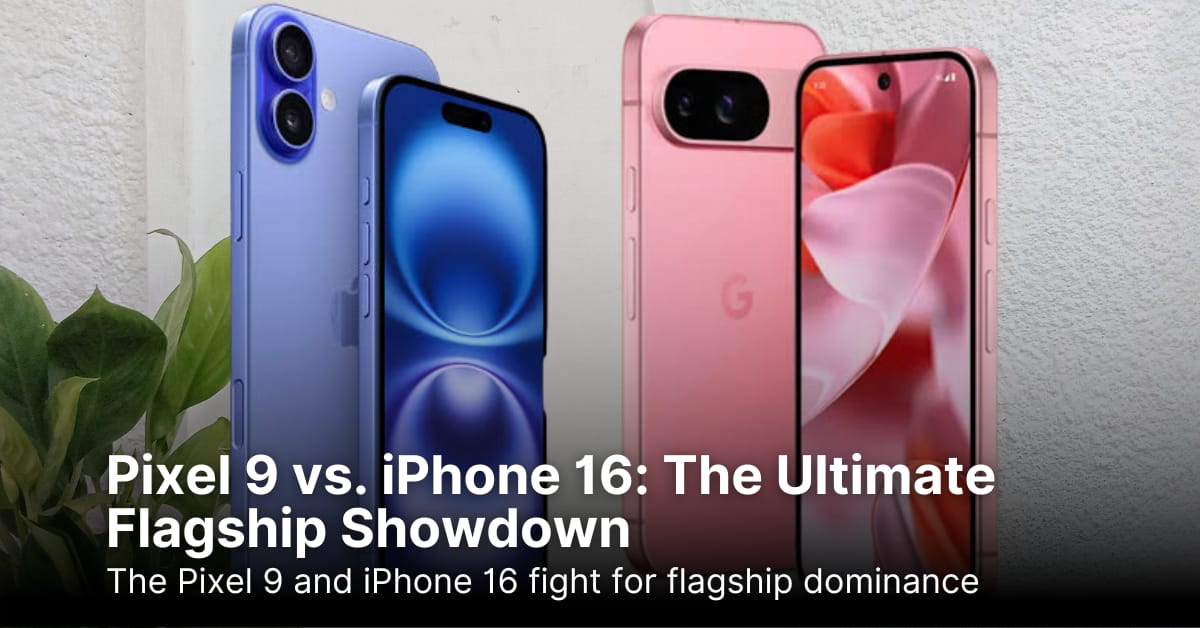
IPHONE • DAILYTECH.ID - When two giants go head-to-head, it’s always exciting. Pixel 9 vs iPhone 16 is the battle everyone’s talking about, and for good reason. Both represent the pinnacle of what Google and Apple bring to smartphones.
The Pixel 9 continues Google’s legacy of AI-driven features and smart photography, while the iPhone 16 introduces new hardware upgrades, sleek design changes, and tighter integration with iOS.
If you’re torn between the Pixel 9 vs iPhone 16, you’ve landed in the right place. Let’s break down the specs, features, and real-world usability so you can make the smartest decision for your next upgrade.
Read More : The iPhone 16’s New Design Is Finally Here—And It’s Beautiful
Pixel 9 vs iPhone 16: Specs at a Glance
| Feature | Pixel 9 | iPhone 16 |
|---|---|---|
| Display | 6.3-inch OLED, 120Hz | 6.1-inch Super Retina XDR OLED, 120Hz |
| Processor | Google Tensor G4 | Apple A18 Bionic |
| RAM & Storage | 12GB / 128GB–256GB | 8GB / 128GB–1TB |
| Camera System | Dual rear: 50MP wide + 12MP ultra-wide | Dual rear: 48MP wide + 12MP ultra-wide |
| Front Camera | 10.5MP | 12MP TrueDepth with Face ID |
| Software | Android 15 with Pixel-exclusive AI | iOS 18 with new AI integrations |
| Battery & Charging | 4,700mAh, 30W wired, wireless charging | 3,500mAh, 25W wired, MagSafe wireless |
| Special Features | AI photo editing, Call Assist, Gemini integration | Action Button, advanced video, Apple Intelligence |
| Price Range | $799–$999 | $799–$1,099 |
Design and Build Quality
Both phones take different design philosophies, and you can feel it right away. The Pixel 9 sticks with Google’s recognizable horizontal camera bar, but it’s now sleeker and slightly slimmer. It feels modern but still distinctly “Pixel.” On the other hand, the iPhone 16 continues Apple’s clean design language with softened edges and a slightly larger camera island compared to the 15.
Materials also differ: the Pixel 9 uses aluminum and Gorilla Glass Victus 2, while the iPhone 16 incorporates aerospace-grade aluminum with Ceramic Shield glass. Both are water and dust resistant (IP68), so durability isn’t a major concern. However, the iPhone edges ahead in perceived premium feel thanks to its polished finish.
If you prefer bold and playful color choices, the Pixel 9 wins with options like mint and coral. Apple sticks with its elegant but minimal color palette, though the new iPhone 16 shades like Desert Titanium do feel refreshing.
Display Quality
When it comes to displays, both devices are neck-and-neck. The Pixel 9’s 6.3-inch OLED with 120Hz refresh rate delivers sharp visuals, fluid scrolling, and true-to-life colors. Google also tunes its display for HDR streaming and gaming, making it an excellent choice for entertainment lovers.
Apple’s iPhone 16 offers a slightly smaller 6.1-inch Super Retina XDR OLED, also with 120Hz ProMotion. What stands out here is Apple’s calibration, colors look incredibly accurate and brightness levels peak higher, making the iPhone better for outdoor use.
In real-world use, the differences are subtle. Gamers may appreciate the Pixel’s balanced tuning, while photographers and video editors might lean toward the iPhone’s superior brightness and color accuracy.
Performance and Software
Performance is one of the biggest points of debate in this Pixel 9 vs iPhone 16 showdown. The Pixel 9 is powered by the Google Tensor G4, built with AI workloads in mind. It’s not the fastest chip on benchmarks, but it shines when handling smart features like on-device translation, photo editing, and Google Assistant-powered tools.
Apple’s A18 Bionic, meanwhile, is all about raw power. From gaming to video editing, the iPhone 16 feels consistently smooth and future-proof. The A18 is more efficient and ensures longer support for apps and updates.
Software is where you’ll find the biggest difference. Android 15 on the Pixel 9 feels flexible and heavily AI-focused, giving you unique tools like Call Assist, Magic Editor, and Gemini integration. iOS 18, on the other hand, introduces Apple Intelligence, offering system-wide smart features, better privacy, and a polished, seamless experience.
Read More : iPhone 16 vs. iPhone 16 Pro: Which is Right for You?
Cameras: AI vs. Pro Photography
Google’s Pixel line has always been a photography champion, and the Pixel 9 keeps that legacy alive. Its 50MP main camera paired with advanced AI editing tools makes casual shots look professional with minimal effort. Features like Magic Eraser and Best Take let you fix flaws in seconds.
The iPhone 16, however, doubles down on video. With its advanced 48MP main sensor and superior computational photography, it excels at capturing natural colors and high dynamic range. For video creators, features like Cinematic Mode, ProRes video, and stabilization put Apple ahead.
If photos are your main focus, the Pixel 9 might serve you better. But if you value both photos and professional-grade video, the iPhone 16 takes the crown.
Battery Life and Charging
The Pixel 9 comes with a larger 4,700mAh battery, which comfortably lasts a day and sometimes more depending on usage. It supports 30W wired charging and wireless charging, though it’s not the fastest in its class.
The iPhone 16’s smaller 3,500mAh battery might seem underwhelming on paper, but Apple’s efficiency magic with the A18 Bionic makes it last just as long as the Pixel in daily use. Charging is capped at 25W wired, but MagSafe wireless charging makes it more convenient for Apple users.
If you want bigger numbers and slightly faster wired charging, the Pixel has the advantage. If you’re already invested in the Apple ecosystem, MagSafe accessories make the iPhone more practical.
Price and Value
Pricing is close, but the Pixel 9 generally starts a bit cheaper. With a base price of $799, it undercuts the iPhone 16, which starts at the same point but can get pricier when you move up in storage tiers. Google also tends to offer aggressive trade-in deals and subscription bundles like Pixel Pass, which makes the Pixel 9 an attractive choice for budget-conscious buyers.
The iPhone 16, while slightly more expensive, retains its value longer. iPhones have strong resale prices and guaranteed long-term software support, making them a safer investment over time.
FAQs
1. Which phone has the better camera, Pixel 9 or iPhone 16?
The Pixel 9 is stronger for photography thanks to AI features, while the iPhone 16 dominates in video recording.
2. How long will the Pixel 9 and iPhone 16 get updates?
Google promises at least 7 years of updates, while Apple typically supports iPhones for 6–7 years.
3. Is the Pixel 9 cheaper than the iPhone 16?
Yes, the Pixel 9 starts slightly cheaper, though both can get expensive with higher storage options.
4. Which has better battery life, Pixel 9 or iPhone 16?
Both last a full day, but the Pixel 9 has a larger battery. The iPhone 16, however, makes up for it with better efficiency.
5. Which phone is better for gaming?
The iPhone 16, thanks to its A18 Bionic chip, provides smoother performance and higher stability in intensive games.
Read More : iPhone 16 vs. iPhone 15: Is It Really Worth the Upgrade?
Conclusion
- Pixel 9 focuses on AI smarts and playful design.
- iPhone 16 delivers raw performance and premium build.
- Both phones excel in cameras but differ in strengths: Pixel for photos, iPhone for video.
- Battery life is solid on both, with Pixel boasting a larger capacity.
- Price-wise, Pixel offers better upfront value, while iPhone wins in long-term investment.