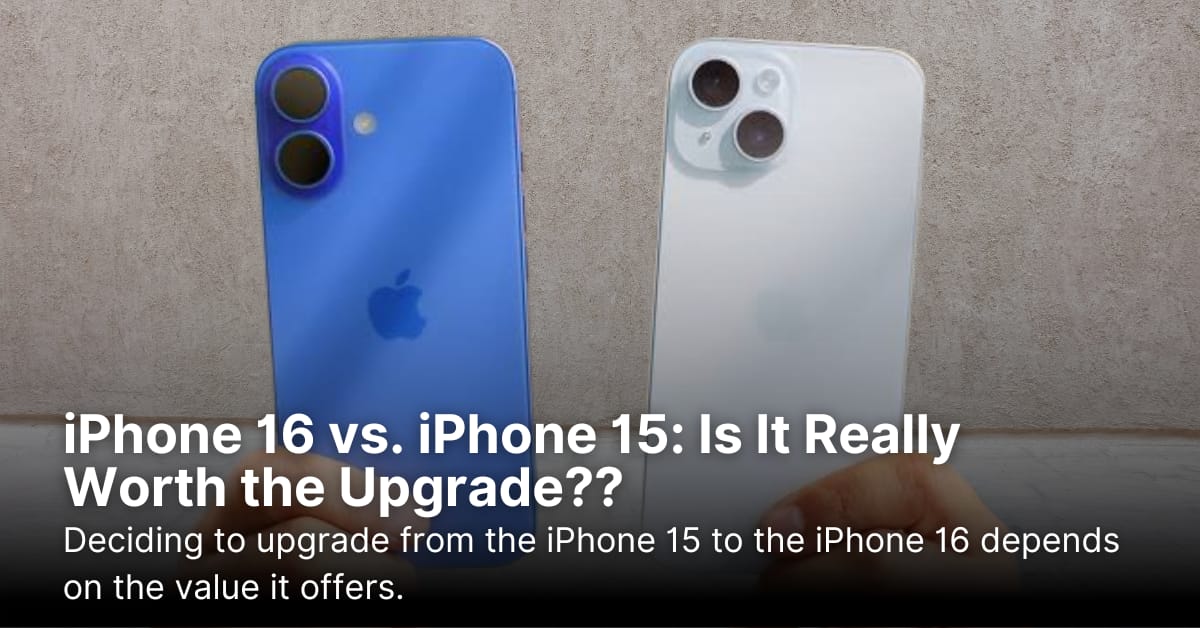
IPHONE • DAILYTECH.ID - If you’re debating iPhone 16 vs 15, you’re not alone. Apple has introduced exciting changes this year, but deciding whether to upgrade depends on what matters most to you. Some people care about design tweaks, while others focus on performance or camera power.
The iPhone 16 lineup doesn’t reinvent the wheel, but it does refine almost every part of the experience. From a new Action button to updated colors and slightly bigger displays, Apple has packed in features that may or may not make upgrading worth it.
So, is the iPhone 16 a must-have upgrade over the iPhone 15, or should you hold onto what you already own? Let’s compare specs, features, and real-world differences to help you make the smartest choice.
Read More : All the New iPhone 16 Colors That Will Make You Upgrade
iPhone 16 vs iPhone 15: Quick Specs Comparison
| Feature | iPhone 15 | iPhone 16 |
|---|---|---|
| Display | 6.1-inch Super Retina XDR | 6.1-inch Super Retina XDR (Pro: 6.3-inch) |
| Processor | A16 Bionic | A18 Bionic |
| Camera | Dual 48MP + 12MP | Dual 48MP + 12MP with AI-powered enhancements |
| Battery Life | Up to 20 hours video playback | Slightly longer battery, Apple claims +2 hours |
| Action Button | Not available (Ring/Silent switch) | Available, customizable |
| Colors | Pink, Yellow, Green, Blue, Black | New palette with darker tones + exclusive shades |
| Weight | 171g | 174g |
| Connectivity | 5G, Wi-Fi 6 | 5G, Wi-Fi 6E |
| Price at Launch | From $799 | From $799 |
Design and Display Differences
Apple doesn’t often make radical design changes year after year, but the iPhone 16 does bring subtle shifts worth noting. The body shape and size remain nearly identical, meaning your iPhone 15 case won’t fit perfectly due to the Action button placement. The bezels feel just a touch thinner, giving the screen a more immersive edge-to-edge look.
Both phones share the Super Retina XDR OLED display at 6.1 inches, with the Pro model stepping up slightly to 6.3 inches this year. The color reproduction and brightness are fantastic on both devices, so you won’t feel shortchanged sticking with the 15. However, for those who consume a lot of media, the slightly larger Pro screen on the iPhone 16 might tip the scale.
The most noticeable physical change is the new Action button replacing the classic mute switch. While small, it’s a big usability shift. This single feature can quickly launch the camera, turn on voice memos, or even trigger custom shortcuts.
Performance and Processing Power
Here’s where things get interesting. The iPhone 15 runs on the A16 Bionic chip, the same processor that powered the iPhone 14 Pro. It’s efficient, powerful, and still more than enough for daily tasks, gaming, and photography.
The iPhone 16, however, introduces the A18 Bionic chip. Apple promises higher efficiency, faster machine learning performance, and better graphics. While the difference won’t be dramatic for casual users, those who edit videos, play graphics-heavy games, or use AI-driven apps will notice the smoother experience.
If you’re upgrading from much older iPhones (like an iPhone 12 or 13), the iPhone 16 feels like a massive leap. But if you already own the iPhone 15, the performance boost might feel incremental rather than transformative.
Camera Improvements
The iPhone 15’s 48MP main sensor was a big step up last year, and it still holds its own today. Paired with a 12MP ultra-wide lens, it captures crisp photos, detailed landscapes, and beautiful night shots.
With the iPhone 16, Apple doesn’t overhaul the camera hardware but instead leans on software and AI enhancements. Thanks to the A18 chip, low-light photography is smarter, portrait mode is faster, and video stabilization feels tighter. For most users, these are quality-of-life improvements rather than revolutionary upgrades.
If you’re into casual photography, both phones will serve you extremely well. But if you’re the type who pushes mobile photography to its limits, the iPhone 16 edges out the 15 in reliability and processing finesse.
Read More : The iPhone 16’s New Design Is Finally Here—And It’s Beautiful
Battery and Charging
Battery life is often a deciding factor when upgrading. The iPhone 15 delivers solid performance with up to 20 hours of video playback. The iPhone 16 improves on that by about 2 hours, according to Apple’s testing. That may not sound huge, but for power users, every extra hour counts.
Charging remains similar across both models: Lightning is gone, replaced by USB-C. Both support fast charging and MagSafe wireless charging. If you’re coming from an older iPhone, the switch to USB-C alone feels like a game-changer, offering faster data transfer speeds on the Pro versions.
Connectivity and Everyday Use
Another advantage the iPhone 16 holds is Wi-Fi 6E support, offering faster speeds and lower latency if you have a compatible router. The iPhone 15 sticks with Wi-Fi 6, which is still very capable, but not as future-proof.
Day-to-day use will feel familiar between the two. Both phones deliver buttery-smooth iOS performance, secure Face ID, and seamless integration with the Apple ecosystem. The real question is whether the extra bells and whistles of the iPhone 16 align with how you actually use your phone.
Price and Value for Money
At launch, both the iPhone 15 and iPhone 16 start at $799 for the base model. This means Apple isn’t punishing early adopters with higher prices. However, the iPhone 15 may drop in price at retailers or secondhand markets, making it the better value if you’re shopping today.
If you’re someone who upgrades every year, the iPhone 16 is the natural choice. But if you’re hoping to save some money while still enjoying premium Apple hardware, the iPhone 15 remains an excellent buy.
FAQs
1. Is the iPhone 16 faster than the iPhone 15?
Yes, the iPhone 16 runs on the A18 Bionic chip, which is faster and more efficient than the A16 in the iPhone 15.
2. Does the iPhone 16 have a better camera than the iPhone 15?
The hardware is similar, but the iPhone 16 benefits from AI-powered improvements for better low-light and portrait performance.
3. Is the Action button useful?
Absolutely. The new Action button on the iPhone 16 is customizable and can replace multiple quick actions, making it more versatile than the mute switch.
4. Should I upgrade from iPhone 15 to iPhone 16?
If you already own the iPhone 15, the upgrade isn’t essential unless you want the Action button, better battery, or the latest processor.
5. Will my iPhone 15 case fit the iPhone 16?
No, due to the slight size differences and the new Action button placement, you’ll need a new case.
Read More : iPhone 16 vs. iPhone 16 Pro: Which is Right for You?
Conclusion: iPhone 16 vs 15, Which One’s Right for You?
- The iPhone 16 refines the experience with an Action button, better performance, and longer battery life.
- The iPhone 15 remains a fantastic phone and is still a smart buy, especially if you can find it at a discount.
- For most iPhone 15 owners, upgrading isn’t urgent.
- For older iPhone users, the iPhone 16 is the better long-term investment.
- Your choice depends on whether you value the latest features or prefer saving money.