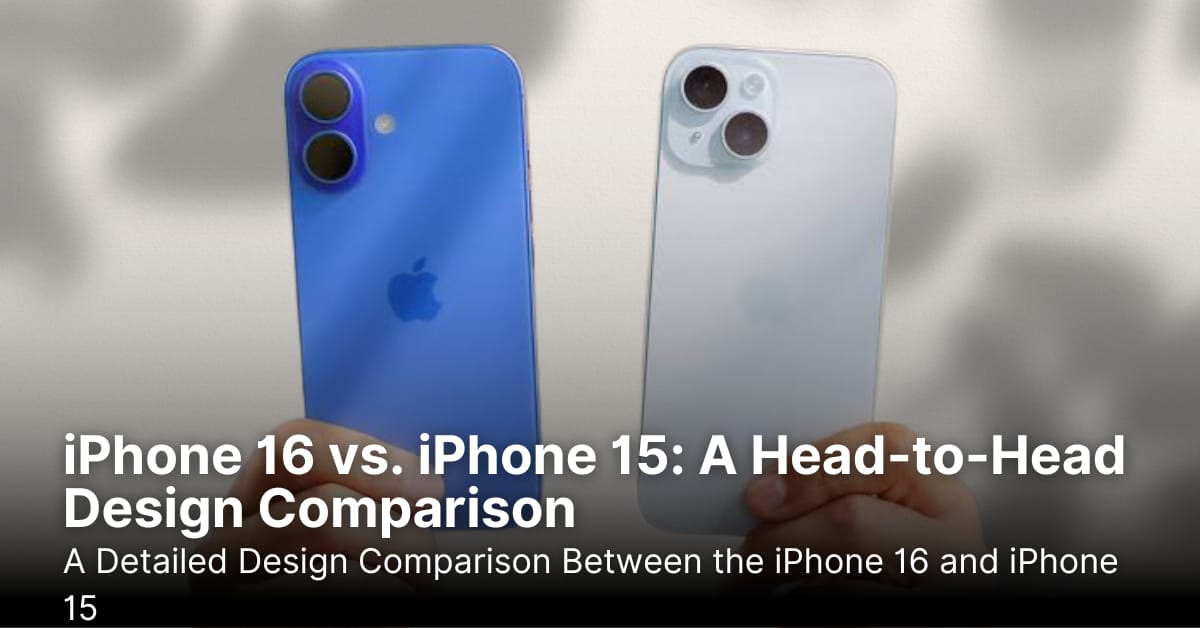
IPHONE • DAILYTECH.ID - When Apple unveils a new iPhone, design is often the first thing we notice. The iPhone 16 design brings subtle but meaningful changes compared to the iPhone 15. While both models maintain Apple’s signature sleek look, the differences reveal where the company is heading.
If you’re torn between upgrading or sticking with the iPhone 15, paying attention to design details is crucial. From button placement to materials, every tweak changes the way the phone feels in your hand and how you use it daily.
In this comparison, we’ll break down everything about the iPhone 16 design versus the iPhone 15, from size and finishes to ergonomics and durability, so you know exactly what’s new, what’s better, and what might not matter as much as you think.
Read More : Exploring the New Natural Titanium and Desert Titanium iPhone 16
iPhone 16 vs. iPhone 15 Design Comparison Table
| Feature | iPhone 15 | iPhone 16 |
|---|---|---|
| Size & Dimensions | 6.1” and 6.7” displays, slim bezels | Similar sizes, slightly taller for Pro models |
| Material | Aluminum (standard), Titanium (Pro) | Aluminum (standard), New Titanium finishes (Pro) |
| Button Layout | Volume buttons + Action Button (Pro only) | Unified Capture Button + Action Button across lineup |
| Camera Module | Diagonal dual-lens (standard), triple-lens (Pro) | Vertical dual-lens (standard), larger triple-lens (Pro) |
| Colors | Pastel palette + Pro natural titanium | Bold new finishes including Desert Titanium & Blue |
| Weight | Lightweight, Pro models lighter with titanium | Slightly heavier standard models, Pro models balanced |
| Ergonomics | Rounded edges, comfortable grip | Subtler curves, improved grip stability |
A Fresh Look: What Stands Out in the iPhone 16 Design
The iPhone 16 may look familiar at first glance, but Apple has made enough refinements that you’ll notice when holding it. The most eye-catching change is the vertical dual-camera setup on the standard iPhone 16 models. This layout isn’t just cosmetic, it improves spatial video recording and makes the phone instantly recognizable compared to the diagonal lenses on the iPhone 15.
Another highlight is the new Capture Button, a dedicated control for photos and videos. Unlike the iPhone 15, where only the Pro models received the versatile Action Button, the iPhone 16 lineup gets both features, making photography more convenient for everyone.
Finally, the Pro versions embrace bold design upgrades with fresh titanium finishes. If you thought the natural titanium iPhone 15 Pro was sleek, the new Desert Titanium and enhanced Blue shades add a dramatic touch that feels futuristic yet premium.
Size, Shape, and Ergonomics
When it comes to comfort, both iPhones are easy to hold, but the iPhone 16 refines the formula. Apple subtly adjusted the proportions, especially for the Pro models, making them a bit taller to accommodate larger displays without feeling bulky.
The edges remain rounded, but the iPhone 16’s curves are slightly more pronounced, offering a better grip. This is especially useful for users who go case-free and rely on the phone’s natural build for comfort.
Weight is another key factor. The iPhone 15 Pro models introduced titanium to cut down on heaviness compared to stainless steel predecessors. With the iPhone 16, Apple keeps that balance but slightly shifts the feel, the standard iPhone 16 is marginally heavier, while the Pro maintains its lightweight advantage.
Button Layout and Everyday Usability
Apple’s design philosophy has always balanced simplicity with functionality, and the iPhone 16 takes it further. On the iPhone 15, only the Pro lineup had the Action Button, replacing the mute switch and offering customizable shortcuts. This year, every iPhone 16 gets it, making the feature more accessible.
What really sets the iPhone 16 apart is the Capture Button on the right-hand side. It works just like a dedicated camera shutter, supporting pressure sensitivity for focus and zoom. This small design tweak changes how you take photos and videos, giving you DSLR-like control right from your pocket.
For everyday use, whether adjusting volume, capturing quick shots, or silencing notifications, the redesigned layout feels more intentional and streamlined. It’s a thoughtful step forward in usability.
Read More : Which iPhone 16 Color Should You Get? Your Ultimate Guide
Camera Module Design: Vertical vs. Diagonal
The back of the iPhone is where you’ll spot one of the biggest design shifts. The iPhone 15 standard models came with a diagonal dual-camera setup, a design that became Apple’s trademark for entry-level iPhones. With the iPhone 16, Apple switches to a vertical arrangement.
This isn’t just for aesthetics. The vertical layout enhances spatial video recording, allowing for immersive playback on Apple Vision Pro and other AR/VR experiences. It’s a design choice that’s about future-proofing more than style.
Meanwhile, the Pro models stick to a triple-lens system, but the modules look bolder, with slightly larger lenses hinting at improved low-light performance and zoom capability. Even if you don’t know the specs, the iPhone 16 Pro instantly looks more powerful compared to its predecessor.
Materials and Finishes
Materials define how premium an iPhone feels, and Apple knows it. The iPhone 15 introduced titanium on Pro models, making them durable and light. The iPhone 16 takes this to the next level with new titanium shades like Desert Titanium, which feels warm and earthy, and an updated Blue, which is striking without being flashy.
Standard iPhone 16 models stick with aluminum frames but gain refreshed colors that stand out more compared to the pastel tones of the iPhone 15. The bolder palette makes the phone look more dynamic while still keeping Apple’s polished aesthetic.
Overall, the iPhone 16 feels sturdier yet stylish, proving that materials aren’t just about protection, they’re about personality too.
Colors: Personality in Your Pocket
If colors matter to you, the iPhone 16 is the clear winner. While the iPhone 15 leaned into softer pastels like Pink, Blue, and Yellow, the iPhone 16 embraces deeper, more vibrant finishes. The Pro models, in particular, look more mature with their refined titanium hues.
For example, the Desert Titanium finish brings a premium, earthy vibe that feels timeless, while the Blue Titanium option feels bold and modern. The standard iPhone 16 models also benefit from more saturated tones, giving you more expressive choices.
Color is more than just style, it reflects personality. With the iPhone 16, Apple makes sure you have options that feel fresh and exciting.
Durability and Longevity
Both the iPhone 15 and iPhone 16 use Ceramic Shield glass on the front and back, making them highly resistant to scratches and drops. The Pro models, thanks to titanium, add extra resilience without unnecessary bulk.
However, Apple has fine-tuned the structure of the iPhone 16 to improve rigidity, especially in the Pro lineup. The result is a phone that feels more solid in hand and should hold up better over years of use.
If you’re someone who wants a device that can handle daily wear and tear, the iPhone 16 design feels like an upgrade worth noting.
FAQs
1. What’s the biggest design difference between the iPhone 16 and iPhone 15?
The most noticeable change is the vertical dual-camera layout on standard iPhone 16 models, plus the addition of a new Capture Button.
2. Does the iPhone 16 feel heavier than the iPhone 15?
The standard iPhone 16 is slightly heavier, but the Pro models remain lightweight thanks to titanium construction.
3. Is the iPhone 16 more durable than the iPhone 15?
Yes, the titanium Pro models are sturdier, and the refined build gives the iPhone 16 better overall rigidity.
4. Do both iPhone 16 and iPhone 15 have the Action Button?
No. The Action Button was exclusive to iPhone 15 Pro models but is now available across the entire iPhone 16 lineup.
5. Are the new colors exclusive to the iPhone 16 Pro?
The Pro models get unique titanium shades like Desert and Blue, while the standard iPhone 16 models also introduce bolder, more saturated finishes.
Read More : A Closer Look at the iPhone 16 Pro Max’s Stunning New Design
Conclusion
The iPhone 16 design builds on the iPhone 15 with changes that feel purposeful rather than flashy. Apple didn’t reinvent the wheel, but it made the experience smoother and more premium.
- Vertical cameras and the Capture Button give the iPhone 16 practical upgrades.
- Pro models shine with fresh titanium finishes and sturdier builds.
- Slight size and ergonomic tweaks make the phone more comfortable to hold.
- Color choices are more dynamic, offering fresh personality.
- Overall, the iPhone 16 feels like a step forward in usability and style.
If design matters to you and let’s be honest, it always does the iPhone 16 shows Apple’s commitment to making small but meaningful improvements that you’ll notice every single day.